

Registering a car in California is a crucial step for any new or existing vehicle owner. The process can be complex, with numerous requirements and steps to ensure compliance with state regulations. One vital aspect often overlooked is the DMV VIN verification, ensuring your vehicle’s identification number is accurately recorded and checked against federal databases. This article serves as your comprehensive guide, offering clear, concise instructions on how to seamlessly navigate the car registration process in California, providing you with a stress-free experience.
- Prepare Required Documents for Car Registration
- Visit the California DMV: Step-by-Step Guide
- Understand Vehicle Identification Number (VIN) Verification
- Pay Registration Fees: Calculating and Options
- Register Your Car Online or In-Person: Best Practices
Prepare Required Documents for Car Registration

Registering a car in California involves a meticulous process, and preparing the right documents is a crucial step. Before you begin the registration procedure, ensure you have all necessary paperwork ready. The primary document required is the Vehicle Identification Number (VIN) verification, which can be obtained through the DMV or by utilizing mobile VIN verification services. This process ensures that your vehicle’s details are accurate and up-to-date, a critical aspect of car ownership in California.
For out-of-state residents, gathering documents from previous states’ DMVs might be necessary, including proof of insurance, title records, and registration history. It’s essential to check with the California Department of Motor Vehicles (DMV) for specific requirements as some documents may need to be certified or notarized. Additionally, having a clean driving record and up-to-date vehicle inspection certificates can expedite the registration process.
Mobile VIN verification has gained popularity due to its convenience. This service allows you to obtain a detailed vehicle history report by simply providing your VIN number. It’s particularly useful for those who aren’t local to California or prefer not to visit a DMV office. The report includes information about the vehicle’s previous owners, accident history, and maintenance records, ensuring a thorough inspection 1-3 times before registration, as recommended by the DMV.
In some cases, a physical vin inspection at a certified station may be required. Always double-check with the California DMV for the most up-to-date guidelines to avoid delays or complications during the car registration process. Proper preparation of documents, including accurate VIN verification through mobile or official channels, will ensure a smooth transition into California’s automotive regulatory framework.
Visit the California DMV: Step-by-Step Guide

Visiting the California DMV is a crucial step in registering your car. Here’s a step-by-step guide to ensure a smooth process. Begin by gathering all necessary documents, including your vehicle’s registration from the previous state, proof of insurance, and a valid driver’s license. Next, visit the official California DMV website to understand the specific requirements for your vehicle make and model.
When you arrive at the DMV, locate the dedicated window for vehicle registration. An agent will assist you in filling out Form DMV-123, which requires details about your car, including its make, model, year, and Vehicle Identification Number (VIN). This step is critical as the DMV conducts a VIN verification to ensure the vehicle’s history aligns with the information provided. If you’re using a mobile vin verifier, ensure it’s approved by the DMV; this can expedite the process and save you time.
After submitting your form, you’ll need to present your car for inspection. A trained inspector will verify key aspects like lights, brakes, tires, and emissions systems. For a seamless experience, consider scheduling an appointment in advance, as waiting times can vary. If any issues are found during the inspection, address them promptly before attempting another registration attempt. Utilizing a mobile vin inspection service 1-2 times prior to visiting the DMV can help identify potential problems early on, streamlining the registration process.
Understand Vehicle Identification Number (VIN) Verification

Registering a car in California involves several critical steps, with one crucial component being Vehicle Identification Number (VIN) verification. The DMV VIN verification process ensures that your vehicle’s unique identification number matches the details on record and helps prevent fraud. This is a critical step in ensuring both vehicle safety and consumer protection.
The VIN is a 17-character code that identifies specific features of a vehicle, such as its make, model, year, and production location. It serves as a digital fingerprint for your car. During the registration process, you’ll need to provide this number along with other documentation. While some may prefer the traditional method of visiting a DMV office, leveraging mobile VIN verifier apps can streamline the process significantly. These tools enable on-the-go VIN verification by simply scanning the vehicle’s license plate or VIN tag using your smartphone.
For instance, many mobile vin verification services integrate seamlessly with California’s DMV online registration platform, providing real-time validation and reducing potential errors. This not only saves time but also enhances accuracy. It’s worth noting that some states mandate mobile VIN inspection for various reasons, such as checking vehicles’ history or ensuring compliance before issuing a registration. As the saying goes, “knowledge is power,” and understanding these processes empowers California car owners to navigate registration smoothly.
Pay Registration Fees: Calculating and Options

Registering a car in California involves several crucial steps, and one of the key aspects is paying the registration fees. These fees vary based on factors like the vehicle’s age, make, and model, as well as whether you’re registering it for the first time or renewing an existing registration. The California Department of Motor Vehicles (DMV) offers a comprehensive fee schedule that accounts for these variables.
Calculating your fees involves a few steps. First, determine if your vehicle requires a base registration fee or if there are additional charges based on its age. For example, older vehicles might incur higher fees due to emissions testing requirements. The DMV’s website provides detailed information on these fees, including breaks for low-emission and hybrid vehicles. If you’re registering a new car, you’ll typically pay a lower fee compared to a used vehicle of the same age. It’s also important to consider optional services that can be added to your registration, such as vehicle history reports or extended warranties, which come at an additional cost.
For a seamless and efficient process, many California residents opt for a mobile vin verifier or conduct a mobile vin inspection. These services allow you to verify your Vehicle Identification Number (VIN) from the convenience of your home or office. A mobile vin inspection involves a professional coming to you to perform a thorough check, ensuring that your vehicle’s details match the information on record with the DMV. This is particularly useful for those who are not comfortable navigating the DMV or have busy schedules. By using these modern tools, California car owners can streamline the registration process and avoid potential delays caused by traditional vin verification methods.
Register Your Car Online or In-Person: Best Practices
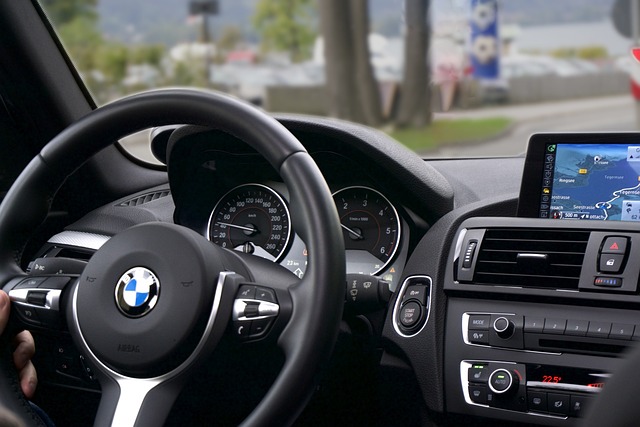
Registering a car in California involves several steps, with two primary methods to complete the process: online or in-person at a DMV (Department of Motor Vehicles) office. For a seamless and efficient experience, consider these best practices when deciding between these options.
Online Registration: This method offers convenience, allowing you to avoid waiting times at DMV offices. The California DMV provides an online registration system where you can submit all necessary documents digitally. Ensure your vehicle is eligible for online registration by checking the DMV’s guidelines. Key steps include gathering required documents, such as proof of insurance and ownership, and completing the online form accurately. After submission, you’ll typically receive confirmation and a temporary registration until the permanent registration arrives in the mail. Some advantages include instant confirmation and the ability to track your application status online. However, for complex cases or if documents are missing, an in-person visit might be necessary to resolve issues through DMV vin verification.
In-Person Verification: Visiting a local DMV office is essential when dealing with unique circumstances or requiring immediate assistance. When facing issues with document authenticity, vehicle identification number (VIN) inspection plays a crucial role, especially during mobile VIN verification processes. This is where specialized personnel check the accuracy of your vehicle’s information against the manufacturer’s records, ensuring no discrepancies. For example, if you’ve recently purchased a used car, bringing the vehicle for a mobile VIN inspection can help prove ownership and avoid potential challenges. In-person registration allows for immediate feedback on any issues and enables you to rectify them promptly. It also offers the advantage of face-to-face interaction with DMV representatives who can provide personalized guidance.
Regardless of your chosen method, proper preparation is key. Gather all necessary documents well in advance to streamline the process. For online registration, double-check that your vehicle details match the data on file with the manufacturer or previous registrar. If opting for an in-person visit, arrive early to avoid long lines and be ready to present all required paperwork. This proactive approach ensures a smooth car registration experience in California, whether completing it remotely or visiting a DMV office.
By meticulously preparing required documents, following a structured approach at the California DMV, verifying your Vehicle Identification Number (DMV VIN verification), understanding fee structures, and choosing between online or in-person registration, you can efficiently navigate the car registration process. These comprehensive steps ensure compliance with California’s regulations while securing your vehicle’s legal status. Embrace these practices to streamline your experience, safeguard your investment, and enjoy a seamless transition into lawful automotive ownership.