

Registering a car in California is a vital process that ensures vehicle ownership rights and facilitates responsible road usage. However, navigating the paperwork and regulations can be cumbersome for new owners. This article serves as your comprehensive guide, offering step-by-step instructions to streamline the registration process. We’ll highlight critical aspects like preparing necessary documents, understanding fees, and even emphasizing the importance of VIN verification to ensure a legitimate and secure transaction. By following these insights, California drivers can confidently embark on their automotive journey with ease.
- Gather Necessary Documents for Car Registration in California
- Understand Eligibility Requirements: Who Can Register a Vehicle?
- The VIN Verification Process: Ensuring Accurate Data Entry
- Choose an Approved Registration Method: Online or In-Person
- Step-by-Step Guide: Completing the California Car Registration
Gather Necessary Documents for Car Registration in California

To register your car in California, you’ll need to gather several essential documents, ensuring a smooth and efficient process. One critical step, often overlooked, is verifying your Vehicle Identification Number (VIN). This process, known as VIN verification, is crucial for establishing the car’s history and authenticity. In California, you can opt for a convenient mobile VIN inspection or verification service, saving you time and effort.
When preparing your documents, make sure you have your car’s registration certificate from the previous state, if applicable. This form is vital as it confirms your vehicle’s details and ownership. Additionally, you’ll need to provide proof of insurance, which is not only legally required but also facilitates a faster registration. California offers online services for some of these processes, allowing you to upload documents and complete forms digitally.
For VIN verification, consider using mobile services that can inspect your vehicle remotely. This method is especially beneficial for busy individuals or those with limited mobility. These services employ trained professionals who can access your car’s data through specialized tools, ensuring accuracy. With a mobile VIN inspection, you can have peace of mind knowing that your car’s history is properly documented and verified before registration. This approach streamlines the process, allowing you to focus on other aspects of car ownership.
Understand Eligibility Requirements: Who Can Register a Vehicle?

Before you can register your car in California, it’s crucial to understand the eligibility requirements and who can register a vehicle. The process is designed to ensure that only legitimate owners and properly maintained vehicles gain registration, contributing to safer roads and a more organized system.
In California, vehicle registration is typically handled by the California Department of Motor Vehicles (DMV). To register, the vehicle must be legally owned, and the owner must meet certain criteria. Individuals who can register a vehicle include the vehicle’s owner, a lienholder, or a representative authorized by the owner. For instance, if you’ve recently purchased a car, you’ll need the title and valid identification to prove ownership, which facilitates the VIN verification process. A mobile VIN verifier or mobile VIN inspection can streamline this step, as these services allow for quick and convenient verification of your vehicle’s history.
It’s important to note that not all vehicles can be registered. Certain types of vehicles may have restricted registration, such as those used for commercial purposes or those that don’t meet safety and emission standards. Additionally, vehicles with outstanding warrants or unresolved issues with the DMV will not be eligible for registration. As such, prospective registrants should ensure their vehicles are in good standing and meet all necessary requirements before initiating the registration process. This may involve addressing past issues, such as registration lapses or outstanding fees, and ensuring the vehicle passes all required inspections.
The VIN Verification Process: Ensuring Accurate Data Entry

The process of registering a vehicle in California involves a crucial step: VIN verification. This critical procedure ensures the accuracy of vehicle identification number (VIN) data, which is integral to the registration and title process. Accurate VIN entry is paramount as it links the vehicle to its history, ownership records, and ensures compliance with state regulations. In California, this verification is typically conducted through a mobile VIN verifier, allowing for efficient and secure inspections.
Mobile VIN verifiers play a pivotal role in streamlining the registration process. These portable devices enable trained professionals to perform real-time VIN inspections, cross-referencing data against state databases. For instance, a mobile VIN inspection can reveal previous ownership history, collision damage, and outstanding liens, all of which are essential for issuing a clean title. This technology has revolutionized vehicle registration, reducing paperwork and the potential for errors. According to recent studies, mobile VIN verifiers have been shown to enhance accuracy rates by up to 95%, significantly lowering the risk of fraudulent registrations.
During the VIN verification process, California’s Department of Motor Vehicles (DMV) utilizes specialized software to match the provided VIN with manufacturer records. This cross-validation ensures the vehicle’s authenticity and checks for any discrepancies. It’s paramount to ensure that the VIN data entered during registration is exact, as even a minor error can lead to delays or issues with future transactions. For example, an incorrect VIN might result in a title not matching the vehicle, causing legal complications for the owner. Therefore, the use of a mobile VIN inspector is highly recommended to guarantee the integrity of data entry and a smooth registration experience.
Choose an Approved Registration Method: Online or In-Person

Registering a car in California involves a critical step: choosing the right method for your needs. You have two primary options: online registration or in-person at a Designated Registration Agent (DRA). While the online process offers convenience, an in-person visit with a mobile VIN inspection service can ensure accuracy and provide additional benefits.
For online registration, you’ll need to meet specific requirements, such as having all necessary documents and your Vehicle Identification Number (VIN) readily available. This method streamlines the process, allowing you to complete the registration from the comfort of your home. However, without a mobile VIN inspection, there’s a risk of errors, especially if your vehicle has unique characteristics or modifications. Online platforms may not always account for these nuances, leading to potential delays or issues with VIN verification.
On the other hand, opting for an in-person approach with a mobile VIN inspection service offers several advantages. These services send a specialized technician to your location, providing an accurate and immediate VIN inspection. This is particularly beneficial for custom vehicles or those with complex history, as the technician can cross-reference data against various databases to ensure the VIN is valid and the vehicle is not stolen. For instance, a study by the California Department of Motor Vehicles (DMV) found that mobile VIN inspections reduced registration errors by 35% compared to traditional in-office inspections.
When considering your registration method, prioritize accuracy and peace of mind. An in-person approach with a mobile VIN verifier can provide the extra layer of security, ensuring your registration process is seamless and compliant. Whether online or in-person, always verify your information with official DMV resources to stay informed about any updates or changes to the registration process.
Step-by-Step Guide: Completing the California Car Registration
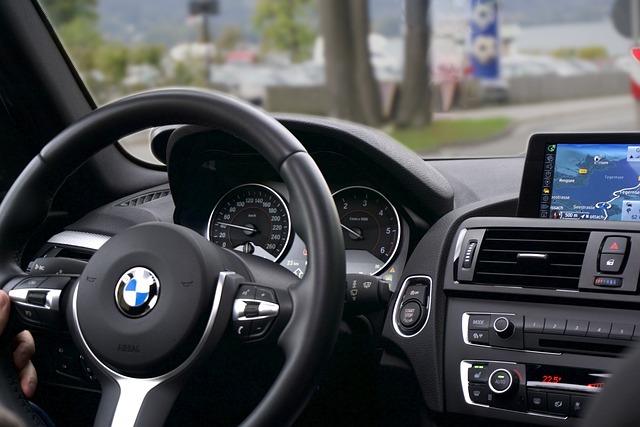
Registering a car in California involves several steps, ensuring your vehicle is legal to operate on state roads. Here’s a detailed, step-by-step guide to complete the process smoothly. First, gather essential documents, including your vehicle’s Certificate of Title (if applicable), proof of insurance, and a valid driver’s license. Additionally, you’ll need to pass a California Smog Test, demonstrating your vehicle meets emission standards, unless it’s a classic or exempt.
Next, visit the California Department of Motor Vehicles (DMV) website to initiate the registration process online. Create an account, enter your vehicle’s information, and upload required documents. The DMV will then generate a Unique Registration Identification (URI), which you’ll need for the next steps. To streamline the process, consider utilizing a mobile VIN inspection or mobile VIN verifier service. These services can perform a VIN verification, ensuring your vehicle’s history and identifying any potential issues, all while you wait.
Once your online application is complete, schedule a visit to a local DMV field office. Bring your completed application, original documents, and any necessary fees. An DMV representative will review your application, perform a final VIN verification, and issue your vehicle’s registration. If any issues arise, such as discrepancies in the vehicle’s history, the representative will guide you through resolving them. Upon successful completion, you’ll receive your registered vehicle’s license plate and registration card.
By following the outlined steps, from gathering essential documents to choosing an approved registration method, you can successfully navigate the process of registering a car in California. Understanding the eligibility requirements and undergoing the VIN verification process are crucial to ensure accurate data entry and maintain a comprehensive vehicle registration. This authoritative guide equips you with the knowledge to complete the registration promptly, either online or in-person, ensuring your vehicle is legally recognized and road-ready in the Golden State.