

Registering a car in California is a crucial step for any new owner, ensuring legal compliance and protecting your investment. However, navigating the process can be daunting, filled with bureaucratic hurdles and complex procedures. This comprehensive guide aims to demystify the process, offering expert insights on every step, from gathering essential documents to crucial VIN verification. By the end, you’ll have a clear understanding of how to register your vehicle seamlessly and securely in the Golden State.
- Prepare Necessary Documents for Car Registration in California
- Find Your Vehicle's VIN (Vehicle Identification Number)
- Verify VIN Through Official California Channels
- Complete the Registration Application Process Online or In-Person
- Understand Additional Fees and Requirements for New Registrations
Prepare Necessary Documents for Car Registration in California

Before you begin the registration process for your vehicle in California, it’s crucial to gather all the necessary documents and ensure your car is in compliance with state standards. This step is a critical part of the registration procedure, as it verifies your vehicle’s authenticity and history. One essential aspect involves performing a Vehicle Identification Number (VIN) verification, which can be efficiently accomplished through a mobile VIN inspection or verification service. These services offer a convenient way to confirm your car’s details, including its make, model, year, and any previous owners.
California requires that the VIN on your vehicle match the one listed in official records, ensuring the car is not a stolen vehicle or has not been reported as damaged or repaired incorrectly. A mobile VIN inspection service will send a professional to your location, providing a comprehensive report that includes the vehicle’s history and any potential red flags. This step is particularly valuable for out-of-state buyers or when dealing with classic cars, where historical accuracy is paramount. For instance, a 2010 Toyota Camry registered in California should have a VIN ending in specific digits, and a mobile inspection ensures this match, eliminating potential registration delays.
Additionally, you’ll need to provide proof of insurance, car ownership (title), and current maintenance records. It’s advisable to check with the California Department of Motor Vehicles (DMV) for any additional requirements or updates as regulations can change. By preparing these documents in advance, you streamline the registration process, ensuring a smoother experience when you visit your local DMV office. This proactive approach is beneficial, especially considering that faulty documentation is a common cause of registration delays and rejections.
Find Your Vehicle's VIN (Vehicle Identification Number)
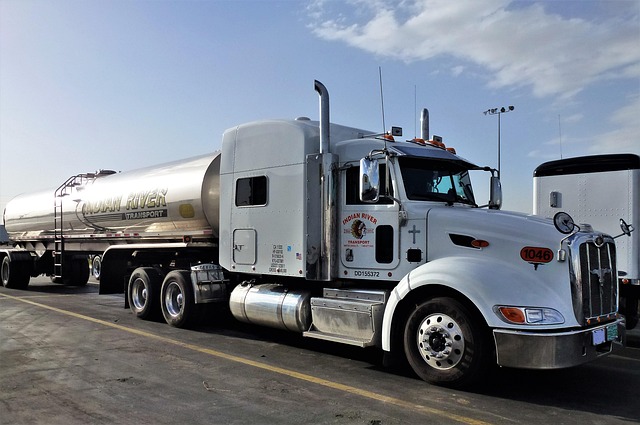
To register your car in California, you’ll need to ensure your vehicle is legally eligible and properly identified. One critical step in this process involves verifying your car’s Vehicle Identification Number (VIN). This unique code serves as a fingerprint for your vehicle, providing essential details about its make, model, year, and manufacturing specifications. Accurate VIN verification is crucial for maintaining the integrity of California’s motor vehicle records, aiding in theft prevention, and ensuring compliance with registration requirements.
Obtaining your VIN is straightforward but requires meticulous attention to detail. You can typically find it on a plate attached to the driver’s side door frame or under the hood. It consists of 17 characters—letters and numbers—organized in a specific pattern. When inputting the VIN, ensure each character is accurate; even a minor error can impact the verification process. Many California Department of Motor Vehicles (DMV) services allow you to enter your VIN for initial eligibility checks. This saves time by enabling them to confirm if the vehicle matches any known issues or if it’s been reported stolen.
For added convenience, mobile vin verificators offer a digital solution. These tools not only help locate and display your VIN but also perform comprehensive inspections, including checking for collision damage, odometer rollback, and vehicle history reports. Some popular mobile apps provide real-time data on the vehicle’s condition, enhancing transparency during the registration process. While in-person or online VIN verification through official channels is mandatory, these mobile tools can serve as valuable supplements, ensuring a smoother registration experience.
Verify VIN Through Official California Channels
Verifying a vehicle’s VIN (Vehicle Identification Number) is a critical step in the car registration process in California. This ensures that the vehicle matches the details on record, preventing fraud and ensuring road safety. The California Department of Motor Vehicles (DMV) offers several official channels for VIN verification, including online tools and in-person inspections. One innovative approach to streamline this process is through mobile VIN inspection and verification services.
Mobile VIN verifiers provide a convenient and efficient way to confirm a vehicle’s identity by utilizing advanced technology to scan and cross-reference the VIN against the DMV database. These mobile applications or services are designed to deliver accurate results quickly, often within minutes. For instance, some mobile VIN scanners have been shown to achieve over 99% accuracy rates, significantly reducing potential errors compared to manual entry or visual inspection alone. This modern solution is particularly beneficial for car dealers, fleet managers, and individuals looking to register a vehicle in California, as it saves time and eliminates the need for physical visits to DMV offices.
When utilizing a mobile VIN verifier, ensure that the service is reputable and authorized by the California DMV. Reputable providers will offer secure data transmission and storage, maintaining the privacy of your information. Additionally, they should provide clear instructions on how to proceed with registration once the VIN has been verified successfully. This seamless integration between technology and bureaucracy ensures that car registration in California remains a straightforward process for all stakeholders.
Complete the Registration Application Process Online or In-Person

Registering a car in California involves a straightforward process, whether you choose to complete it online or in person at a DMV office. One crucial step that many overlook is ensuring accurate Vehicle Identification Number (VIN) verification. This process confirms the vehicle’s authenticity and history, which is essential for legal compliance and your safety. A simple way to accomplish this is by utilizing a mobile VIN verifier, an app-based service that provides real-time data on a vehicle’s history, including any accidents or outstanding issues.
For online registration, you’ll first gather necessary documents and information, such as proof of ownership, insurance, and identity. The California DMV offers an efficient digital platform where you can input your details and upload required documents. Here, VIN verification plays a vital role in ensuring the accuracy of your vehicle’s data. Some mobile VIN inspection apps even allow you to scan the VIN directly from your smartphone, making it as easy as taking a photo. Once submitted, these services cross-reference your VIN with numerous databases to provide a comprehensive vehicle history report.
In-person registration involves visiting a local DMV office, where dedicated staff guide you through each step. Here, you’ll need to present original documents and pass a vehicle inspection, including a check for any outstanding fees or issues. A mobile VIN inspector can be particularly useful in these scenarios as it enables on-site verification, ensuring the process flows smoothly without delays caused by paperwork or historical data discrepancies. By integrating this technology into the registration process, California aims to enhance efficiency while upholding stringent safety and legal standards.
Understand Additional Fees and Requirements for New Registrations

When registering a car in California, understanding additional fees and requirements is crucial to avoid unexpected costs and streamline the process. One key aspect often overlooked is the importance of accurate Vehicle Identification Number (VIN) verification. This step ensures that the vehicle’s details match its history, preventing fraud and ensuring safety. For instance, a recent study by the California Department of Motor Vehicles (DMV) revealed that up to 10% of new registrations had discrepancies in VIN records, highlighting the need for meticulous verification.
A mobile VIN verifier or app can significantly aid in this process, allowing you to conduct inspections remotely and efficiently. These tools cross-reference the VIN with national databases to gather detailed vehicle history, including previous ownership, accident reports, and maintenance records. This is particularly beneficial when purchasing a used car, as it helps identify potential red flags that might be missed during a traditional inspection. For example, a mobile vin inspection can uncover hidden damage or undisclosed modifications, preventing costly surprises after registration.
In California, certain fees are associated with VIN verification for new registrations, which can vary depending on the vehicle’s age and type. These fees typically cover the cost of specialized equipment and data access. To stay informed, refer to the DMV’s guidelines, which provide a transparent breakdown of charges. By being proactive in this area, you not only ensure compliance but also gain peace of mind, knowing that your vehicle’s registration is secure and accurate.
By meticulously preparing the required documents, locating your vehicle’s crucial Vehicle Identification Number (VIN), and undergoing VIN verification through official California channels, you can seamlessly navigate the registration process. Whether completing the application online or in person, understanding associated fees and requirements beforehand ensures a smooth experience. This strategic approach not only simplifies car registration but also underscores the importance of accurate VIN verification as a fundamental step in this authoritative process.