

Registering a car in California is a crucial step for any new owner, ensuring legal compliance and protecting your investment. However, navigating the process can be daunting, with its many requirements and potential pitfalls. This article serves as your comprehensive guide, offering expert insights on every aspect of car registration in the Golden State. From gathering essential documents to understanding fee structures, we’ll equip you with the knowledge needed to streamline the experience. Moreover, we’ll emphasize the importance of accurately verifying a Vehicle Identification Number (VIN) through reliable means to prevent fraud and ensure authenticity.
- Understanding California Car Registration Requirements
- Gathering Necessary Documents for Registration
- Using VIN Verifier to Check Vehicle History
- Completing the Registration Application Process
- Paying Fees and Obtaining Your California License Plate
Understanding California Car Registration Requirements

Registering a car in California involves more than just filling out paperwork; it’s crucial to understand and meet specific requirements to ensure compliance with state laws. The process begins with verifying the Vehicle Identification Number (VIN) of your vehicle. This unique 17-character code serves as a digital fingerprint for your car, making it essential for registration purposes. In California, a VIN inspection is typically conducted by a licensed vehicle inspector or through a mobile VIN verifier, ensuring the accuracy and legitimacy of the VIN.
One key requirement is confirming that your vehicle meets all safety standards set by the California Department of Motor Vehicles (DMV). This includes inspections for emissions, lights, brakes, and other critical systems. Additionally, proof of insurance is mandatory when registering your vehicle. The DMV offers several registration options, including online, in-person, or by mail, each with its own set of documentation needs. It’s important to bring all necessary documents, such as the title, registration fee, and any applicable forms, to ensure a smooth registration process.
Furthermore, California has specific regulations for out-of-state transfers and salvage vehicles. When transferring a vehicle from another state, you’ll need to provide proof of previous registration and emissions testing. For salvage vehicles, a detailed inspection report is required to demonstrate that the car meets safety standards despite its history. Using a mobile VIN verifier can facilitate these processes by providing instant, reliable data on a vehicle’s history, including any accidents or repairs, thereby streamlining the registration requirements in California.
Gathering Necessary Documents for Registration

Registering a car in California involves a meticulous process, and one of the critical initial steps is gathering all the necessary documents. This phase is where many prospective vehicle owners trip up, so it’s essential to approach it systematically. The core requirement is your Vehicle Identification Number (VIN), which acts as a unique fingerprint for your car. Utilize a VIN verifier to ensure accuracy; many online tools and mobile apps offer this service, allowing you to confirm the vehicle’s history before committing.
Central to the process are documents like the title certificate from the previous owner, registration cards, and proof of insurance. The California Department of Motor Vehicles (DMV) has a comprehensive list of accepted documents, which includes various forms for different scenarios, such as buying a car from a dealership or transferring ownership between private parties. For instance, if you’re conducting a mobile VIN inspection—a smart way to verify a vehicle’s history before purchase—you’ll need to present the current owner’s identification and a valid driver’s license during the inspection.
Additionally, prepare personal documents like your driver’s license, proof of residency (e.g., utility bill), and any applicable fees. Some situations might require additional paperwork, such as a power of attorney if you’re acting on behalf of someone else. Once all these elements are in order, you’ll be well-prepared to navigate the registration process smoothly, ensuring your new car’s legal status is in compliance with California regulations.
Using VIN Verifier to Check Vehicle History
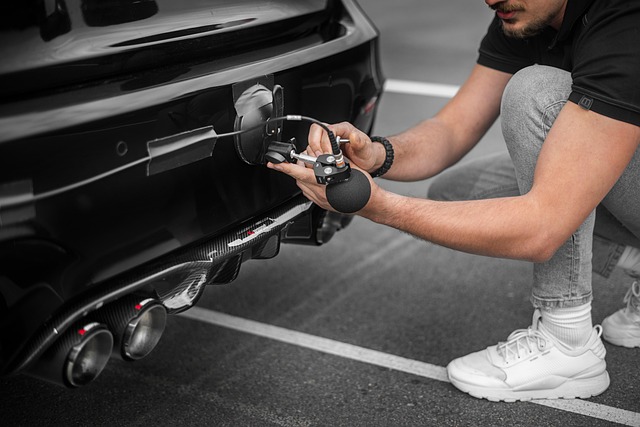
When registering a car in California, one crucial step is to verify the vehicle’s history using a trusted method. A Vehicle Identification Number (VIN) verifier is an indispensable tool for this process. This unique identifier, consisting of 17 characters, holds extensive information about a vehicle’s past, including its original manufacturer, model year, and even accident history. By employing a VIN verifier, both individuals and professional car dealers in California can ensure the vehicle’s authenticity and avoid potential issues associated with stolen or mishandled cars.
The process has become more accessible with the advent of mobile VIN verifiers. These tools allow users to conduct a thorough inspection remotely by simply inputting the VIN into a dedicated platform. For instance, many reputable services offer real-time data access, enabling users to retrieve detailed vehicle history reports within minutes. This shift towards digital solutions streamlines the registration process, making it more efficient for all parties involved. Moreover, using a mobile VIN verification service can help prevent fraud and protect buyers from purchasing vehicles with questionable histories.
In California, where vehicle registration is a meticulous process, utilizing a VIN verifier as an initial step ensures compliance and peace of mind. For instance, if a car has been reported stolen or involved in significant accidents, the verifier will flag these discrepancies. This proactive approach allows for better-informed decisions, whether you’re a consumer looking to purchase a used car or a dealer aiming to maintain transparency and avoid legal complications. Ultimately, embracing modern tools like mobile VIN verifiers can significantly enhance the accuracy and integrity of California’s vehicle registration system.
Completing the Registration Application Process

Registering a car in California involves a meticulous process, ensuring compliance with state regulations. Completing the registration application is a critical step, requiring accurate documentation and specific procedures. Here’s a detailed guide on navigating this process seamlessly.
The first order of business is to gather all necessary documents. This includes your vehicle’s Registration Application (Form DV305), which can be obtained online or from a California Department of Motor Vehicles (DMV) office. You’ll also need the Vehicle Identification Number (VIN) from your car, typically found on a plate near the driver’s side door or in the engine compartment. Utilizing a mobile VIN verifier can facilitate this process, ensuring the VIN is legitimate and providing peace of mind. Another crucial document is proof of insurance, demonstrating financial responsibility as per California law. Additionally, you may require proof of ownership, such as a purchase agreement or previous registration records.
Once all documents are in order, it’s time to fill out the application form accurately. This involves providing detailed information about your vehicle, including make, model, year, and color. Ensure that the VIN matches precisely with the details on the title and registration documents. Using a mobile VIN verification service before submitting can help identify any discrepancies, ensuring a smooth application process. After completing the form, you’ll need to present it along with all required documentation at a DMV office or by mail, depending on your preference and local guidelines.
To expedite the registration process, consider utilizing online resources offered by the DMV. Many transactions can be completed digitally, including applying for registration renewals, changing ownership, and updating address information. Additionally, some mobile apps provide convenient access to DMV services, allowing users to perform tasks such as verifying a VIN on their smartphones. Embracing these technological advancements not only saves time but also ensures that your vehicle’s registration stays up-to-date, enhancing overall convenience.
Paying Fees and Obtaining Your California License Plate

Registering a car in California involves several crucial steps, and one of the most critical is paying the required fees and obtaining your California license plate. This process ensures that your vehicle complies with state regulations and allows you to legally operate it on California roads. The first step is to gather all necessary documents, including your vehicle’s registration from the previous state, proof of insurance, and a valid driver’s license. You’ll also need to complete Form DMV-123, which is the Application for Title and Registration. It’s important to fill this out accurately, as any errors may delay the process.
Once your documents are in order, you’ll be directed to pay the registration fees. These fees vary based on the type of vehicle and its age. For example, a new car will have different charges than an older model. You can pay these fees online, by mail, or in person at a California Department of Motor Vehicles (DMV) field office. After payment, you’ll receive a temporary registration permit, which allows you to operate your vehicle while awaiting the permanent plates.
To obtain your California license plate, you’ll need to schedule an appointment for a VIN inspection using a mobile VIN verifier. This step is essential to verify your vehicle’s identity and ensure it meets safety standards. Many mobile VIN verification services are available, allowing you to complete this process conveniently at your preferred location. For instance, some services offer on-site inspections for added convenience. Once your vehicle passes the inspection, the DMV will issue your permanent license plates, which you can pick up at the field office or have delivered to your address of record.
By following these comprehensive steps outlined in our article—from understanding California’s car registration requirements to completing the application process and obtaining your license plate—you can confidently navigate the registration procedure. Utilizing essential tools like the VIN verifier to check a vehicle’s history ensures a transparent and secure transaction. Armed with the right documents and knowledge, you’re not just registering a car but ensuring compliance, safety, and peace of mind on California’s roads.