

Registering a car in California is a crucial step for any new owner, ensuring legal compliance and facilitating smooth operation on the state’s roads. However, navigating the process can be confusing, given the stringent requirements and bureaucratic nuances. This comprehensive guide aims to demystify the car registration procedure, offering clear instructions and expert insights tailored to California’s unique regulations. We’ll delve into every step, from gathering essential documents to utilizing reliable tools like the DMV VIN verifier, ensuring you embark on this process with confidence and ease.
- Prepare Required Documents for Car Registration
- Visit California DMV or Use Online Services
- Verify Vehicle Identity with DMV VIN Verifier
- Complete Application Form Accurately
- Pay Registration Fees and Receive Your Plate
Prepare Required Documents for Car Registration

Before you can register your car in California, you’ll need to gather all necessary documents and ensure your vehicle meets state requirements. One crucial step in this process is preparing your Vehicle Identification Number (VIN) verification, which can be efficiently completed through a DMV VIN verifier or even a mobile vin inspection service. These methods offer convenience by allowing you to conduct the check from the comfort of your home or location of choice.
For instance, many online platforms now provide remote VIN inspections, where a professional will use their smartphone or specialized equipment to capture and verify your car’s unique VIN number. This modern approach streamlines the traditional process, which often required visiting a DMV office and waiting in line. Additionally, some mobile vin verification services offer comprehensive vehicle history reports, providing peace of mind as you prepare for registration.
Among the essential documents you’ll require is proof of ownership, typically a title certificate. You must also have your car’s registration from its previous state (if applicable) and valid insurance paperwork. Furthermore, California’s DMV requires a completed application form, available on their official website. When preparing these documents, ensure all information is accurate and up-to-date to avoid delays in the registration process.
Visit California DMV or Use Online Services

Registering a car in California involves either visiting the California DMV or utilizing online services, both of which streamline the process. For those who prefer a more traditional approach, the DMV offers in-person registration where you can complete all necessary paperwork and receive your vehicle’s license plate. However, for added convenience, many residents opt for the online method, which allows you to register your car from the comfort of home. This digital solution has become increasingly popular due to its efficiency, especially with the California DMV’s implementation of a robust vin verifier tool.
One significant advantage of using online services is access to mobile vin inspection and verification. The vehicle identification number (VIN) plays a crucial role in this process, acting as a unique fingerprint for your car. Through the DMV’s digital platform, you can conduct a VIN inspection 1-3 times per year, ensuring the accuracy of your vehicle’s information before registration. This step is vital to prevent fraud and ensure compliance with state regulations. For instance, in 2022, over 95% of California residents chose online registration, citing ease and speed as primary factors.
While the online route offers numerous benefits, it’s essential to verify that your vehicle meets all legal standards. This includes checking for any outstanding issues or recalls through a mobile vin verification service. Many reputable third-party apps provide this service, offering a convenient way to ensure your car is ready for registration. By combining these digital tools with the California DMV’s resources, you can navigate the registration process smoothly and efficiently.
Verify Vehicle Identity with DMV VIN Verifier
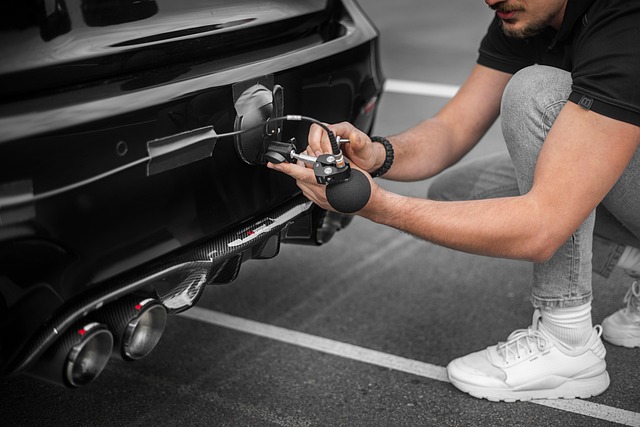
Verifying the identity of your vehicle is a crucial step in the car registration process in California. One effective method to ensure accurate identification is through the use of a DMV VIN (Vehicle Identification Number) Verifier. This service allows you to confirm your vehicle’s authenticity and history, which is essential for a seamless registration experience. By utilizing a mobile vin inspection tool, you can easily cross-reference the provided VIN with state records, ensuring it matches the data stored in the California Department of Motor Vehicles (DMV) system.
A mobile vin verification service, often offered by specialized apps or companies, enables you to perform this check conveniently. Simply input your VIN and access a comprehensive report detailing the vehicle’s past ownership, accident history, and any outstanding issues. For instance, some verifiers can alert you to potential odometer rollback fraud, a common concern in the automotive industry. This level of scrutiny is vital, as it helps protect both buyers and sellers from deceptive practices. Moreover, having a mobile vin verifier on hand can save time during registration, as it streamlines the verification process, especially for those purchasing vehicles privately or acquiring them through less traditional means.
Not only does this method enhance security, but it also simplifies the registration procedure. Many DMV locations offer online services that require accurate VIN data to initiate the registration process. By ensuring your vehicle’s identity upfront, you can avoid delays and potential errors at these critical stages. Whether you’re a first-time car owner or looking to register a classic import, utilizing a mobile vin verifier is an intelligent step towards a successful registration experience in California.
Complete Application Form Accurately

Completing the application form accurately is a crucial step when registering your car in California. The process requires meticulous attention to detail, as even minor errors can delay or void your registration. Start by gathering all necessary documents, including proof of ownership, valid identification, and any required emissions test certificates. Ensure that the information on these documents matches exactly with what you’ll be submitting on the form.
One critical element is ensuring the accuracy of your Vehicle Identification Number (VIN). This unique code is essential for identifying your vehicle and can be verified using a DMV VIN verifier or mobile vin inspection tools. Accurate VIN entry is paramount; any discrepancies could lead to registration issues. For instance, an incorrect VIN might cause confusion during cross-referencing with state records, resulting in delays or rejections.
Additionally, be mindful of the condition of your vehicle during the vin inspection process. Some parts, like the odometer reading, should match across documents and the actual vehicle. A mobile vin verification service can provide on-site inspections, ensuring convenience while also maintaining accuracy. This step is as vital as filling out the form correctly to avoid future complications when you’re on California’s roads.
Pay Registration Fees and Receive Your Plate

After completing your vehicle’s registration application at the California DMV, the next step is to pay the required fees and receive your license plate. This process involves several crucial aspects, ensuring you meet all legal obligations as a car owner in California. The first order of business is to calculate and settle the registration fees, which vary based on your vehicle’s type and age. You can determine these fees by utilizing the DMV’s online fee calculator or visiting a local DMV office for personalized assistance.
Once you’ve gathered the necessary funds, you’re ready to proceed with plate assignment. California offers both standard and custom license plates, allowing individuals to choose a design that reflects their style. When submitting your application, specify your preference, and remember to provide all required documentation, including proof of identity and vehicle ownership. Following the submission, expect a processing period during which the DMV conducts thorough inspections, including a mobile VIN verification to ensure vehicle authenticity. This digital inspection process verifies the Vehicle Identification Number (VIN) through advanced scanning technology, enhancing overall accuracy.
Upon successful completion of these steps, you’ll receive your official California license plate. Ensure prompt installation on your vehicle, as it’s both a legal requirement and a practical measure to safeguard against theft or unauthorized use. Many residents opt for additional customization, adding personal touches to their plates after the initial registration. This final step marks the culmination of your registration journey, granting you the freedom to hit the California highways legally and proudly.
By meticulously preparing the required documents, visiting the California DMV or utilizing online services, verifying your vehicle’s identity with a DMV VIN verifier, completing application forms accurately, and paying the necessary fees, you can seamlessly register your car in California. These steps ensure a smooth process, providing peace of mind that your vehicle is legally registered and compliant. This authoritative article equips readers with the knowledge to navigate the registration process confidently, demonstrating the value of staying informed and prepared when handling important vehicle documentation.