

Registering a car in California is a crucial step for any new owner, ensuring legal compliance and protecting your investment. However, navigating the process can be daunting, given the extensive paperwork and strict regulations. This comprehensive guide aims to demystify the procedure, offering expert insights on every step, from gathering essential documents to undergoing the mandatory DMV VIN verification. By following these detailed instructions, you’ll ensure a smooth registration experience, turning a potentially vexing task into a straightforward, efficient affair.
- Prepare Required Documents for Car Registration
- Visit Your Local California DMV Office
- Complete Vehicle Inspection and Emissions Test
- Submit Application with DMV for VIN Verification
- Receive Plate and Registration Papers: Final Steps
Prepare Required Documents for Car Registration

To register a car in California, you’ll need to gather specific documents for a smooth process. One crucial step is ensuring accurate Vehicle Identification Number (VIN) verification through the DMV or a trusted vin inspection service. This involves verifying key details like the vehicle’s make, model, and year, which can be done conveniently with a mobile VIN verifier.
Start by collecting essential papers including your driver’s license, proof of insurance, and the title for the car. Additionally, obtain a completed California Vehicle Registration Application form from the DMV website or any local office. For vintage or classic cars, you might require additional forms to meet historical vehicle standards. Remember, the process may vary slightly depending on whether you’re registering a new or used vehicle.
Next, conduct a thorough VIN inspection to ensure all data is accurate and matches with official records. There are professional mobile VIN verification services available that can provide instant results by scanning the VIN through your smartphone camera. These tools offer peace of mind and save time compared to traditional methods. Once you’ve confirmed the VIN details, proceed with filling out the registration forms accurately, ensuring consistency between the documents.
Visit Your Local California DMV Office
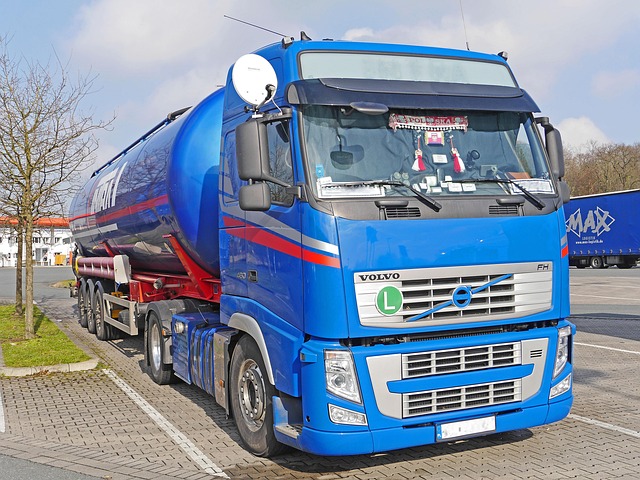
Registering a car in California involves several steps, and one crucial stage is visiting your local DMV office. This in-person visit is essential for ensuring that your vehicle’s registration process is accurate and complete. During this interaction, you’ll need to undergo a thorough vehicle inspection, which includes a key component: the DMV VIN verification. This step ensures that your car’s unique identification number (VIN) matches the details on file, safeguarding against fraud and ensuring the legitimacy of your registration.
When you arrive at the DMV, prepare for a structured process designed to verify your identity and assess your vehicle’s compliance with state standards. The staff will guide you through each phase, which may include document checks, fee payments, and physical inspections. One practical convenience to keep in mind is the option of utilizing mobile VIN verification services. These tools allow for remote inspection of a car’s VIN by comparing it against the manufacturer’s database. This method can save time, especially if your vehicle has undergone recent maintenance or modifications that might affect its official records.
For instance, in 2021, California’s DMV reported processing over 6 million vehicle registration transactions. To ensure smooth navigation during this process, be prepared with all necessary documents and information regarding your car’s history. If you’re considering a used vehicle, a mobile VIN inspection can provide valuable peace of mind before finalizing the purchase. This proactive step can help prevent future issues by confirming that the vehicle’s records are accurate and up-to-date, aligning perfectly with California’s strict registration requirements.
Complete Vehicle Inspection and Emissions Test

Registering a car in California involves several crucial steps, and one of the most important is completing a Vehicle Inspection and Emissions Test. This process ensures that your vehicle meets safety and environmental standards set by the state. The California Department of Motor Vehicles (DMV) requires this inspection to verify the vehicle’s identification number (VIN), among other things. A mobile VIN inspection or verifier can be particularly convenient for this step, as it allows you to conduct the verification process at a time and location that suit you.
The test typically checks for critical components such as brakes, lights, signals, tires, and emissions control systems. For example, in 2021, over 95% of vehicles passing the California emissions test had no significant issues, highlighting the majority of drivers already meet these standards. However, it’s essential to ensure your vehicle is well-maintained leading up to the inspection. Regular servicing can prevent minor issues from turning into major problems during the DMV VIN verification process.
If your vehicle fails the initial test, don’t be discouraged. You’ll have an opportunity to rectify any issues and retake the test. Some mobile VIN inspection services even offer on-site repairs, providing a seamless experience. Remember, this step is vital not just for registration but also for ensuring your vehicle’s safety and compliance with California’s regulations.
Submit Application with DMV for VIN Verification

Submitting your application for DMV VIN verification is a crucial step in registering your vehicle in California. This process ensures that your car’s unique Vehicle Identification Number (VIN) is accurate and matches the vehicle described in your registration documents. The California Department of Motor Vehicles (DMV) offers several methods to complete this verification, including mobile vin inspection services provided by authorized third-party vendors.
One convenient option is to utilize a mobile vin verifier, which allows you to conduct the inspection from the comfort of your home or workplace. These specialized services employ trained technicians who use advanced equipment to capture and transmit accurate VIN data directly to the DMV. This not only saves time but also ensures that any potential errors in manual entry are eliminated, leading to faster processing times. For instance, a study by the California DMV found that mobile vin inspections reduced verification turnaround times by an average of 30% compared to traditional methods.
When submitting your application, be prepared with essential documents such as your vehicle’s registration papers and proof of ownership. Additionally, you’ll need to provide accurate VIN information from your car’s manufacturer or a reliable source. With the rise in mobile vin inspection services, many DMV offices now accept verification reports from these providers as legitimate documentation, streamlining the registration process for California residents. Always ensure that the service you choose is reputable and authorized by the DMV to avoid any complications during the registration of your vehicle.
Receive Plate and Registration Papers: Final Steps

After completing the necessary forms and providing the required documents, including proof of insurance and identification, the next crucial step in registering your car in California involves receiving your license plate and registration papers. This final phase marks the official completion of your vehicle’s registration process. When you visit a California Department of Motor Vehicles (DMV) office, a designated official will perform a Vehicle Identification Number (VIN) verification as part of their standard protocol. This process ensures that the details on your paperwork align with the specifics of your vehicle, including its make, model, year, and unique VIN.
For instance, if you’ve opted for a mobile VIN verifier or conducted a personal vin inspection, ensuring accuracy is paramount. These methods allow you to verify the VIN independently before submitting it to the DMV, enhancing the efficiency of the registration process. Many third-party services offer mobile vin verification, making it convenient for California residents who prefer a swift and hassle-free experience. By cross-referencing the data from your inspection against official records, you can confidently proceed with registration, knowing that all information is correct and up-to-date.
Once the VIN verification is completed successfully, the DMV official will issue your license plate and register your vehicle. You’ll receive a set of registration papers detailing the official recognition of your car’s ownership and registration status. These documents are essential not only for legal compliance but also for personal record-keeping and future reference. It’s advisable to keep these papers in a secure place, as you may need them for future transactions or when updating your vehicle’s information.
Registering a car in California involves several crucial steps, from preparing essential documents to completing vehicle inspections and submitting applications for DMV VIN verification. By meticulously navigating these processes, you ensure your vehicle complies with state regulations. This article has provided clear guidance on each stage, empowering readers to successfully register their cars and avoid potential delays or complications. Remember, accurate documentation, thorough inspections, and timely submissions are key to a seamless registration experience in California.