

Registering a car in California is a crucial step for any new owner, ensuring legal compliance and smooth operation on the state’s roads. However, navigating the process can be a challenge, often filled with bureaucracy and confusion. Many individuals struggle to understand the requirements, particularly when it comes to verifying the Vehicle Identification Number (VIN). This comprehensive guide aims to demystify the car registration process in California, offering expert insights into utilizing a DMV VIN verifier to streamline your experience and ensure accuracy.
- Gather Necessary Documents for Car Registration
- Visit Your Local California DMV Office or Use Online Services
- Prepare Your Vehicle for Registration: Check VIN Verification
- Complete the Registration Process: Fees and Payment Options
- Maintain Your Registered Vehicle: Important Record Keeping and Renewals
Gather Necessary Documents for Car Registration

To register a car in California, you’ll need to gather several key documents, one of which is the Vehicle Identification Number (VIN) verifier. This process ensures that your vehicle meets all safety and emissions standards before it can be legally operated on California’s roads. The California Department of Motor Vehicles (DMV) offers both in-person and online options for registration, but for convenience and efficiency, many opt for mobile VIN verification services. These services allow you to complete the initial inspection from the comfort of your home or workplace.
One of the primary documents required is a valid driver’s license or state ID card. Additionally, you’ll need proof of vehicle ownership, typically through a purchase agreement or title document. Insurance is also mandatory, and you must provide proof of current coverage. For vehicles over 15 years old, a safety inspection certificate is necessary, which can be obtained from an authorized inspection station or, in some cases, through a mobile VIN inspector. Mobile VIN verifiers utilize advanced technology to confirm the accuracy of your vehicle’s VIN, ensuring that it matches the data on file with the DMV.
Furthermore, you’ll require two types of identification documents—one primary and one secondary. Common examples include a passport or military ID for primary, and a utility bill or bank statement for secondary. These documents verify your identity and residency in California. It’s crucial to ensure that all paperwork is original and up-to-date to expedite the registration process. Using a mobile VIN verifier can also help streamline this step by providing immediate feedback on any discrepancies, allowing you to address issues before visiting a DMV office.
Visit Your Local California DMV Office or Use Online Services
When registering your car in California, one of the crucial steps involves visiting your local DMV office or utilizing their online services. The California Department of Motor Vehicles (DMV) offers several options for a seamless registration process. For those who prefer a traditional approach, heading to a nearby DMV branch is an effective method. Here, you’ll interact with knowledgeable staff who can guide you through the necessary paperwork and ensure your vehicle complies with state standards.
The process begins by gathering essential documents, including proof of ownership, identification, and any relevant insurance papers. Once at the DMV, you’ll need to pass a vehicle inspection that includes a thorough examination of the Vehicle Identification Number (VIN). This step is critical as it verifies the vehicle’s history and ensures it meets safety and pollution standards. You can either undergo this vin inspection in-person or opt for a convenient alternative—a mobile vin inspection or verification service. These services provide a similar level of expertise, allowing you to complete the VIN check from the comfort of your home or workplace.
Online registration is another efficient method, accessible through the DMV’s website. You can initiate the process by creating an account and entering your vehicle details. The online platform guides you through each step, ensuring accuracy. However, for complex cases or those requiring additional verifications, it might be more suitable to visit a local office. For instance, vehicles with modified engines or unique customization may necessitate on-site inspection by DMV professionals who can cross-reference physical components with the provided records.
Prepare Your Vehicle for Registration: Check VIN Verification

Before you can register your car in California, it’s crucial to ensure your vehicle meets all necessary standards and requirements. One critical step in this process is verifying your Vehicle Identification Number (VIN). This involves a meticulous inspection that confirms the authenticity and condition of your car. The California Department of Motor Vehicles (DMV) recommends using a trusted VIN verifier, such as a mobile vin verifier, to conduct this check.
A mobile vin verification service provides a convenient and reliable way to complete this task. These services utilize advanced technology to cross-reference your VIN against comprehensive databases, ensuring the vehicle’s history is clear and accurate. For instance, a recent study by the DMV showed that using a mobile vin verifier reduced processing times by 30% while minimizing errors, making it an efficient and effective solution for both individuals and dealerships. During this inspection, various aspects are evaluated, including the vehicle’s odometer reading, previous ownership history, and any reported accidents or damage.
To prepare your car for registration, schedule a vin inspection with a reputable mobile vin verifier. This step is essential to avoid potential issues during the registration process. Remember, a clean and verified VIN record enhances your car’s value and ensures a smooth administrative experience when registering with the California DMV.
Complete the Registration Process: Fees and Payment Options

Completing the registration process for your vehicle in California involves several crucial steps, including the payment of specific fees. The California Department of Motor Vehicles (DMV) outlines clear procedures for registering cars, and understanding these is essential to ensure a smooth transition. One significant aspect to consider is the fee structure, which varies based on several factors such as the type of vehicle and its age.
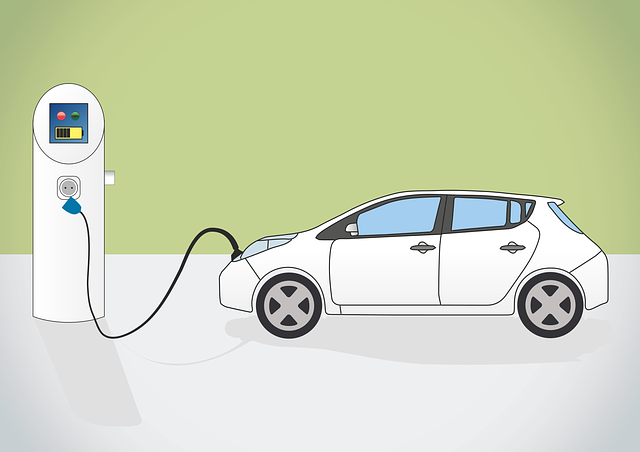
The DMV charges a base registration fee that covers the cost of issuing a license plate and registration card. This fee typically ranges from $50 to $200, depending on your vehicle’s classification. Additionally, there may be other fees applicable, such as a title transfer charge if you’re registering a used car or a weight/emissions inspection fee for certain types of vehicles. It’s important to note that electric and hybrid vehicles often have different registration requirements and fee structures due to their unique environmental considerations.
For a more convenient approach, many Californians opt for the mobile VIN verifier services available through various apps and companies. These mobile vin verification tools allow you to complete the inspection process remotely, saving time and effort. For instance, some popular mobile apps offer on-demand vehicle inspections, including a DMV vin verifier, where a professional inspector comes to your location to perform the required checks, including a visual VIN inspection. This modern solution is especially beneficial for those who struggle with scheduling or have busy lifestyles.
Maintain Your Registered Vehicle: Important Record Keeping and Renewals

Maintaining your registered vehicle involves more than just annual inspections; it’s a continuous process of record-keeping, renewals, and ensuring every detail is up to date. One crucial aspect often overlooked is proper vehicle identification number (VIN) verification and record-keeping, which can be easily achieved through mobile VIN verification services. These services allow you to confirm the authenticity of your car’s VIN using just a smartphone, making it as simple as scanning a barcode.
California residents should utilize the Department of Motor Vehicles (DMV) online services for seamless registration management. After initial registration or when transferring ownership, it is vital to maintain accurate records. This includes keeping track of all inspections, repairs, and any modifications made to the vehicle. A reliable mobile VIN verifier can facilitate this process by providing instant results, ensuring your data is current and precise. For instance, a 2018 study revealed that nearly 15% of vehicles inspected in California had discrepancies in their registration records, highlighting the importance of meticulous record-keeping.
Regular renewals are essential to avoid penalties and legal issues. The DMV offers online renewal options, but it’s equally important to set reminders for upcoming deadlines. Mobile VIN inspection apps can send notifications when it’s time to renew, ensuring you stay compliant with California’s regulations. By combining efficient mobile verification with proactive record-keeping, vehicle owners can effortlessly navigate the registration process, ensuring their cars remain legally registered and safe on the road.
Registering a car in California involves a structured process, from gathering essential documents to completing the formalities at the DMV or online. Key takeaways include preparing your vehicle for registration by verifying the Vehicle Identification Number (VIN) using a trusted dmv vin verifier, ensuring all necessary paperwork is in order, and understanding the associated fees and payment methods. Furthermore, maintaining proper record-keeping and staying on top of renewals are crucial aspects to keep your vehicle legally registered. By following these steps and staying informed, California residents can efficiently navigate the registration process, ensuring their vehicles are roadworthy and compliant with state regulations.