

Looking to register your car in California? This comprehensive guide walks you through the entire process, from gathering essential documents to performing a crucial VIN verification. Learn how to submit applications and pay fees efficiently. Discover key steps after registration to maintain your vehicle’s status in the Golden State. Optimize your experience with our step-by-step instructions, ensuring a smooth and lawful car registration process.
- Understanding the California Vehicle Registration Process
- Gather Required Documents for Car Registration in CA
- Perform VIN Verification: Steps and Importance
- Submit Applications and Pay Fees for Car Registration
- After Registration: Maintaining Your Vehicle's Status in California
Understanding the California Vehicle Registration Process

Understanding the California Vehicle Registration Process
In California, registering a car involves several steps, beginning with ensuring your vehicle meets all safety and emission standards. The process starts with a thorough inspection, known as a VIN verification, to confirm the vehicle’s identity using its unique Vehicle Identification Number (VIN). This step is crucial for tracking vehicle history and ensuring compliance with local regulations. After passing the VIN inspection, you’ll need to gather essential documents, including proof of ownership, insurance, and identification.
Next, you can visit a California Department of Motor Vehicles (DMV) office or use their online services to complete the registration. The DMV will verify your documentation, run a background check, and issue a registration certificate along with license plates. For added convenience, many owners opt for mobile VIN verification services or utilize a mobile vin verifier app, which allows them to perform the initial inspection from the comfort of their home or workplace before proceeding to the DMV.
Gather Required Documents for Car Registration in CA

Before registering your car in California, it’s crucial to gather all the essential documents. This process typically includes proof of ownership, like a purchase agreement or previous registration, along with valid identification for both you and the vehicle’s owner (if not yourself). Don’t forget to bring evidence of auto insurance, as it’s required by law. Additionally, you’ll need to complete a California Vehicle Registration Application and have your vehicle’s VIN verified.
A mobile VIN verifier or inspector can streamline this process by enabling you to verify the vehicle’s history and identify any potential issues remotely. This service is particularly convenient, ensuring you meet all legal requirements before visiting the DMV, saving you time and effort.
Perform VIN Verification: Steps and Importance
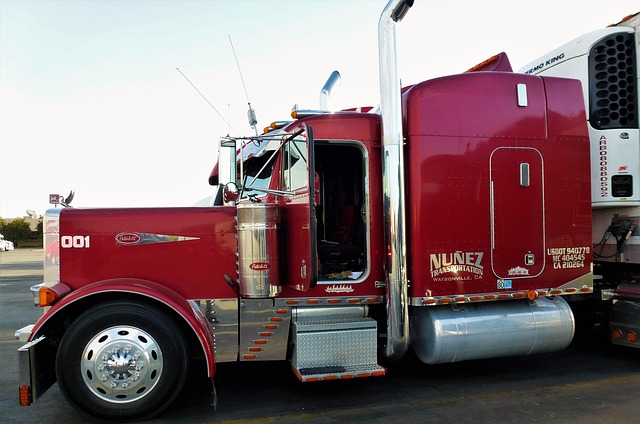
Before registering your car in California, it’s crucial to perform a VIN (Vehicle Identification Number) verification. This step is essential as it ensures that the vehicle matches the information on record and helps prevent fraud. To start the process, you’ll need to obtain your car’s VIN from either its identification tag or by checking under the hood. Once you have this number, you can verify it through various official channels, including online services provided by the California Department of Motor Vehicles (DMV).
A mobile VIN verification or inspection offers a convenient alternative for those who prefer not to visit a DMV office. This service allows you to get your vehicle’s history report and necessary documents checked remotely, saving you time and effort. It’s as simple as providing your VIN to a specialized service that will cross-reference the data with national databases, ensuring everything is in order before finalizing your car’s registration in California.
Submit Applications and Pay Fees for Car Registration

After gathering all the necessary documents, it’s time to submit your applications and fees for car registration. You’ll need to complete Form MV-56 (Application for Title and Registration) along with Form SM-29 (Vehicle Inspection Report). Ensure that these forms are accurately filled out, as any mistakes may delay the process.
The California Department of Motor Vehicles (DMV) requires several fees for car registration, including a base fee and additional charges based on your vehicle’s emissions status. For most vehicles, you’ll also need to conduct a VIN inspection using a mobile vin verifier to ensure the vehicle’s identity and history are accurately represented. This step is crucial for completing the vin verification process, which is essential for issuing a valid registration.
After Registration: Maintaining Your Vehicle's Status in California
After registering your car in California, it’s crucial to maintain its status to avoid any legal issues. One essential step is regular vehicle maintenance, ensuring all required inspections and repairs are up to date. This includes adhering to emission standards and safety regulations. Regularly checking and updating your vehicle’s registration, license plates, and insurance is also vital.
Additionally, consider utilizing mobile VIN verification or a vin inspection service to ensure the vehicle’s identity and history remain accurate. These services can help you keep track of any changes in ownership, maintenance records, and potential issues that may affect your car’s legal status in California.
Registering a car in California involves several steps, from understanding the process to gathering essential documents and completing VIN verification. By following these guidelines, you can ensure a smooth registration experience. Remember to keep your vehicle’s documentation up-to-date and pay the required fees promptly. Proper maintenance through regular registration renewals is key to avoiding penalties and keeping your California vehicle legally compliant.