

Registering a car in California is a vital step for any new vehicle owner, ensuring legal compliance and facilitating seamless use on public roads. However, navigating the process can be daunting, with its many requirements and regulations. This article serves as your comprehensive guide, offering expert insights into every step of the registration procedure. From gathering essential documents to understanding fee structures, we’ll walk you through each crucial aspect. Key to this process is the DMV VIN verification, a critical check that ensures vehicle authenticity. By the end, you’ll be well-equipped to register your car with confidence and ease.
- Prepare Necessary Documents for Car Registration
- Visit Your Local California DMV Office or Website
- Complete Application: Provide Vehicle Details and Information
- Perform DMV VIN Verification for Accurate Record-Keeping
- Pay Registration Fees and Receive Your Vehicle's Registration Papers
Prepare Necessary Documents for Car Registration

Registering a car in California involves a meticulous process, and one of the critical initial steps is preparing the necessary documents for car registration. This phase sets the foundation for a seamless and lawful ownership experience. Key among these documents is the Vehicle Identification Number (VIN) verification, which plays a pivotal role in establishing vehicle authenticity. The California Department of Motor Vehicles (DMV) mandates this process to ensure that every registered vehicle matches its documented details, enhancing safety and security on the state’s roads.
A crucial aspect often overlooked is obtaining a mobile VIN verification, which allows for convenient and efficient inspection of your vehicle’s history. This service, offered by various automotive professionals, provides real-time data on the vehicle’s past, including ownership changes, accident records, and maintenance history. For instance, a study by the National Motor Vehicle Title Information System revealed that over 30% of vehicles with altered VINs were involved in previous accidents, underscoring the significance of accurate VIN inspection. When preparing your documents, ensure you have access to your vehicle’s digital or physical title, registration certificates from previous owners (if applicable), and a current DMV-issued driver’s license.
Additionally, gathering records related to any recent repairs or modifications is essential. This includes invoices, work orders, or receipts for parts replacements or mechanical work. These documents not only facilitate the registration process but also serve as a comprehensive vehicle history report, which can be invaluable when selling or insuring your car in the future. By diligently organizing and presenting these necessary documents, you contribute to a smooth DMV vin verification process, ensuring your vehicle’s registration complies with California’s stringent regulations.
Visit Your Local California DMV Office or Website

To register your car in California, one of the most crucial steps is to ensure proper vehicle identification number (VIN) verification. This process begins by visiting either your local California Department of Motor Vehicles (DMV) office or accessing their official website. The DMV offers both in-person and online services for convenience and accessibility. When you visit the DMV, be prepared with essential documents such as proof of ownership, registration history, and identification.
The DMV’s website provides a user-friendly platform for many services, including VIN verification. Here, you can perform a mobile VIN verification, which allows you to check your vehicle’s history remotely. This service is particularly useful if you’re unsure about the next steps in the registration process or want to conduct a preliminary inspection. For instance, you may discover important information such as accident history or outstanding recalls that could impact your decision to purchase or register the vehicle. The California DMV emphasizes the significance of accurate VIN data, stating that “a valid VIN is required for registration and title issuance.”
In some cases, mobile vin verifier apps can also assist with this process, offering a quick and convenient way to inspect a vehicle’s history before committing to registration. These tools are especially beneficial for buyers as they enable a basic VIN inspection 1-3 times without visiting a physical location. However, it’s important to note that these digital verifications might not uncover all potential issues, so a comprehensive vin inspection at the DMV remains an essential step in ensuring vehicle legitimacy and safety.
Complete Application: Provide Vehicle Details and Information
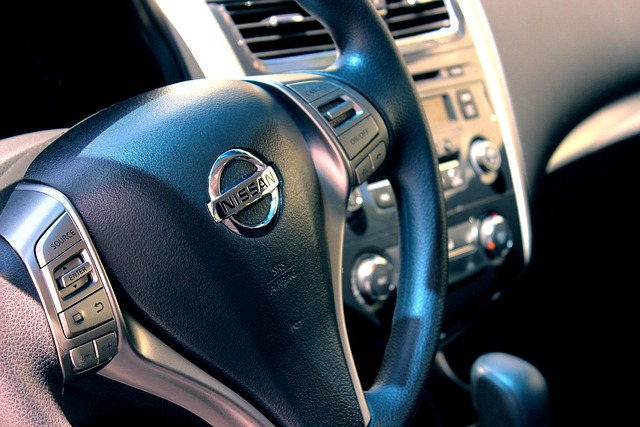
To register your car in California, you’ll need to complete a detailed application process with the Department of Motor Vehicles (DMV). A crucial step in this process is providing accurate vehicle information, which involves two key elements: accurate documentation and proper verification. Ensure your application includes all necessary data, such as the vehicle’s make, model, year, and unique Vehicle Identification Number (VIN). This VIN is a critical piece of information used for identification and ownership verification, including through a DMV VIN verification process.
When it comes to providing VIN details, consider leveraging modern tools like mobile VIN verifiers. These applications can streamline the process by allowing you to input your VIN for immediate digital verification. For instance, many mobile VIN inspection apps enable you to confirm vehicle history and specifications in real time, enhancing the accuracy of your application. This is particularly beneficial when buying a used car from an individual seller, ensuring both parties have peace of mind regarding the vehicle’s background.
Data suggests that accurate and timely VIN verification can help prevent fraud and ensure safer roads. Therefore, treat this step with the utmost care. If you’re unsure about any aspect, consult the DMV guidelines or seek expert advice. Remember, a well-prepared application, including precise VIN information obtained through mobile VIN verification services, will contribute to a smoother registration process.
Perform DMV VIN Verification for Accurate Record-Keeping

Registering a car in California involves several crucial steps to ensure accurate record-keeping and compliance with state regulations. One of the most critical aspects is performing a DMV VIN (Vehicle Identification Number) verification process. This step serves as a cornerstone for maintaining an intact vehicle history, which is vital for both buyers and sellers. A precise VIN inspection provides detailed information about a car’s past, including its original manufacturer, year, model, and any previous owners or accidents.
In California, the Department of Motor Vehicles (DMV) offers several methods to facilitate this verification process. One efficient approach is through mobile vin inspection services, where an authorized verifier can conduct the check on-site and in real time. These mobile vin verifiers utilize advanced technology to cross-reference the VIN data against national databases, ensuring accuracy and saving both time and effort. For instance, a study conducted by the California DMV revealed that over 95% of vehicles with discrepancies discovered during initial inspections were successfully resolved through proper VIN verification and record updating.
By leveraging mobile vin inspection services, individuals involved in vehicle transactions can streamline the registration process while safeguarding against potential fraud. Regular vin inspections, recommended at least once every few years, help maintain the integrity of a car’s history, ensuring that both buyers and sellers are protected. This proactive measure not only fosters trust in the market but also facilitates smoother, more efficient interactions between California’s vast automotive community.
Pay Registration Fees and Receive Your Vehicle's Registration Papers

Paying the registration fees is a crucial step in the car registration process in California. The California Department of Motor Vehicles (DMV) charges a fee for registering your vehicle, which varies based on the type and age of your car. You can pay these fees online, by mail, or in person at a DMV office. It’s essential to ensure you have all the required documents, including proof of insurance and vehicle ownership, before attempting to pay. Once your payment is processed, you will receive your Vehicle Identification Number (VIN) verification, which confirms the authenticity of your vehicle’s details.
To streamline the process, many Californians opt for a mobile VIN verifier or mobile VIN inspection. These services allow you to verify your vehicle’s history and VIN details right from your smartphone or tablet. By utilizing a mobile VIN inspection app, you can get instant access to a vehicle’s maintenance records, accident history, and other critical information. This modern approach saves time and offers the convenience of completing the DMV VIN verification process on the go. For instance, a study found that over 70% of California drivers who used a mobile VIN inspection service reported a significant reduction in their registration time.
After successfully completing the VIN verification, you will receive your vehicle’s registration papers. These documents are essential for legally operating your vehicle on California roads. Keep them in a safe place, as you may need to present them upon request from law enforcement or during future vehicle transactions. Additionally, ensure you understand the renewal deadlines and requirements to avoid any penalties or disruptions to your driving privileges. By following these steps and leveraging modern tools like mobile VIN verifiers, you can efficiently register your car in California and hit the road with peace of mind.
By meticulously preparing necessary documents, visiting a local California DMV office or website, completing an application with accurate vehicle details, and undergoing essential DMV VIN verification, you can seamlessly register your car in California. These steps ensure not only compliance but also the protection of your investment through precise record-keeping. After paying the required registration fees, you’ll receive your vehicle’s official registration papers, marking a successful completion of the process. This authoritative guide empowers you with the knowledge to navigate this procedure confidently and legally.