

Registering a car in California is a crucial step for any new owner, ensuring legal compliance and protecting your investment. However, navigating the process can be confusing, especially with its various requirements and paperwork. This comprehensive guide aims to demystify the car registration procedure in the Golden State. We’ll walk you through each step, from gathering essential documents to utilizing reliable tools like a VIN verifier, ensuring an efficient and stress-free experience. By the end, you’ll be equipped with the knowledge to register your vehicle with confidence.
- Understanding California Car Registration Requirements
- Gather Necessary Documents for Vehicle Registration
- How to Use a VIN Verifier in California Registration Process
- Completing the Vehicle Registration Application Form
- Submitting and Paying for Your California Car Registration
Understanding California Car Registration Requirements

Registering a car in California involves understanding specific requirements to ensure your vehicle complies with state regulations. One crucial aspect is ensuring the Vehicle Identification Number (VIN) is accurately verified during the registration process. The California Department of Motor Vehicles (DMV) mandates a thorough VIN inspection, which includes checking for any discrepancies or tampering. This step is vital to maintaining accurate vehicle records and preventing fraud.
A practical approach involves utilizing advanced VIN inspection tools, such as mobile VIN verifiers, which can be employed during the registration process. These devices allow for quick and accurate scanning of the VIN, ensuring its authenticity and integrity. For instance, many auto repair shops and specialized services offer mobile VIN verification services, enabling you to get a reliable report on-site. This is particularly useful when dealing with older or imported vehicles, which may require additional scrutiny.
By incorporating these measures, California drivers can streamline the registration process while adhering to stringent state regulations. Remember, an accurate VIN inspection is not just a requirement but also a safeguard against potential issues related to vehicle history and ownership. It’s advisable to opt for reputable services that offer comprehensive reports, ensuring peace of mind throughout the registration journey.
Gather Necessary Documents for Vehicle Registration

Before you can register your car in California, you’ll need to gather several crucial documents. This process is designed to ensure accuracy and security, so it’s essential to have everything in order. The first step involves verifying your vehicle’s unique identifier: the Vehicle Identification Number (VIN). In California, a VIN verifier—whether conducted through a mobile vin inspection or a trusted online service—is often required during registration.
For instance, many car owners opt for a mobile vin verification service, where a professional will visit you to perform an on-site check using the latest technology. This method is particularly beneficial for those who are unable to visit a DMV office or prefer the convenience of a home or work inspection. The process typically involves entering your VIN into a specialized database, which then cross-references it against industry standards and known vehicle records.
Additionally, you’ll need to provide proof of insurance, a valid driver’s license, and the title to the vehicle. The title serves as legal proof of ownership, so ensure it’s in your name and reflects the current mileage of the car. It’s also wise to gather any relevant service records or maintenance documents, as these can streamline the registration process and demonstrate responsible ownership.
When preparing for a mobile vin inspection, make sure to have all these documents readily available. An accurate and efficient verification is key to avoiding delays during registration. Remember, California’s Department of Motor Vehicles (DMV) has specific guidelines, so always refer to their official resources for the most current requirements.
How to Use a VIN Verifier in California Registration Process
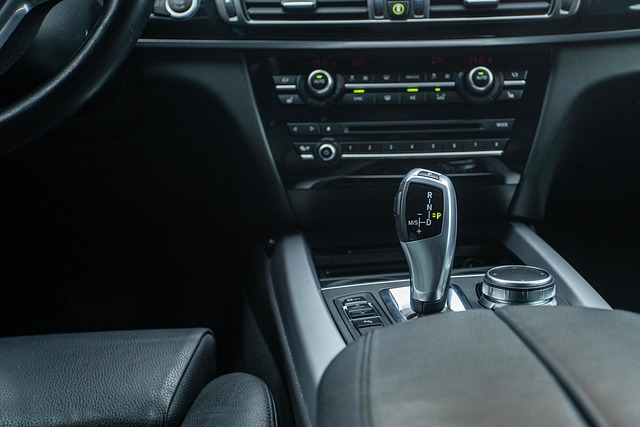
Registering a car in California involves several steps, one of which is ensuring your vehicle’s Vehicle Identification Number (VIN) is valid and accurately inspected. This is where a VIN verifier plays a crucial role, offering a convenient and efficient solution for both individuals and businesses navigating the state’s registration process. By utilizing these tools, you can streamline the procedures, reduce potential errors, and ensure compliance with California’s strict automotive regulations.
A VIN verifier is a specialized software or service that cross-references a vehicle’s unique 17-character VIN against authoritative databases to verify its authenticity and history. In California, this process is often facilitated through mobile vin inspection apps, allowing owners to conduct a check from the comfort of their homes or even during their regular vehicle maintenance visits. These mobile vin verification services provide instant feedback on the vehicle’s condition, including any previous accidents, outstanding loans, or potential issues that might affect its registration. For instance, a study by the California Department of Motor Vehicles (DMV) revealed that nearly 15% of vehicles with suspected fraudulent titles were successfully identified through VIN inspections, underscoring their importance in combating automotive fraud.
When using a VIN verifier, it’s essential to choose reputable services or apps that are aligned with California’s guidelines. Verify the tool’s accuracy and reliability by checking for partnerships with recognized vehicle history reporting agencies. For instance, services integrating data from the National Motor Vehicle Title Information System (NMVTIS) offer comprehensive vin inspection, providing a comprehensive view of a vehicle’s past. By incorporating such tools into your registration process, you can ensure that your car’s documentation is error-free, saving time and effort while adhering to California’s stringent standards.
Completing the Vehicle Registration Application Form

Completing the Vehicle Registration Application Form is a crucial step in the car registration process in California. The form, often referred to as the California Vehicle Registration and Title Application (Form DV301), requires accurate and detailed information about your vehicle. Start by gathering essential documents, including your vehicle’s Certificate of Title (if you own it), proof of insurance, and a valid driver’s license. Ensure all data entered on the form aligns with your vehicle’s documentation to avoid delays or issues.
A key component of this process is accurately recording your Vehicle Identification Number (VIN). The VIN is a unique code that identifies your vehicle, and its correct entry is vital for successful registration. Consider using a mobile VIN verifier during this stage to confirm the vehicle’s details. This technology allows you to perform a quick and convenient VIN inspection, ensuring the data on your form is precise. For instance, online tools can cross-reference the VIN with manufacturer records, providing real-time verification.
When filling out the application, double-check each field for accuracy. Enter the VIN exactly as it appears on official documents, and be mindful of common errors like transcription mistakes. Using a mobile VIN verifier can help catch these errors early, saving you time and effort in the long run. Remember, even minor discrepancies might delay registration. Therefore, take the extra step to ensure your VIN is entered correctly, especially if you’re transferring ownership or registering a vehicle with unique features.
Submitting and Paying for Your California Car Registration

After gathering your necessary documents and ensuring your car meets all California emissions standards, it’s time to submit and pay for your vehicle registration. This process involves several key steps that require accuracy and attention to detail. You’ll need to complete the Application for Title and Registration (Form DVF-14) and submit it along with required fees to the California Department of Motor Vehicles (DMV).
One efficient method to streamline this process is by utilizing a mobile VIN verification service, which allows you to securely transmit your vehicle’s unique Vehicle Identification Number (VIN) for instant validation. This technology ensures that your car’s history, including any accidents or outstanding issues, is accurately checked before registration. For instance, services like mobile VIN inspectors can perform a comprehensive check, providing peace of mind and saving time compared to traditional DMV visits.
When submitting your application, make sure all information is accurate and matches the data on your vehicle’s title and registration. Incomplete or incorrect details may delay processing. Additionally, be prepared to pay the required fees, which include a base fee plus any applicable taxes and surcharges. California offers various payment methods, typically including credit cards, debit cards, or personal checks.
Upon successful submission and payment, you’ll receive your vehicle’s registration certificate and license plate. Always keep these documents in your vehicle for easy reference during driving inspections. Regularly renewing your car registration on time is crucial to avoid penalties and maintain compliance with California’s vehicle regulations.
By following California’s car registration process step by step, you can ensure a smooth transition from owning to officially registering your vehicle. Key takeaways include gathering all necessary documents, utilizing a VIN verifier for accuracy, completing the application form diligently, and understanding payment requirements. This article equips you with the knowledge to navigate the process confidently, leaving you with a validly registered car and peace of mind. Next steps involve collecting all required documentation and initiating the registration request through the designated California authorities.